

Why Study Pauline Theology?
There are few individuals from the ancient world that are known to us in as much detail as the person of Paul. Given the profound influence that his writings have had across church history and in regard to the shaping of theological interpretations, it’s unavoidable that our students would cross paths with him at some point in their studies.
Case in point is the Letters of Paul module on the BA (Hons) Theology programme, the primary aim of which is for students to develop a deeper understanding of the Apostle Paul, his writings, and their ongoing significance to Christianity today. In this module, students will gain insight into the theological foundations of early Christianity through careful engagement with Paul’s writings, appreciating the continuing influence of these texts on theology, ethics, and contemporary church life. This will require the following of our students:
1. Understanding Paul’s Letters in Their Ancient Context
2. Framing Paul’s Letters within His Life, Mission, and Message
3. Exploring Key Aspects of Pauline Theology, including his teachings on God, Christ, the Spirit, the human predicament and human flourishing and destiny
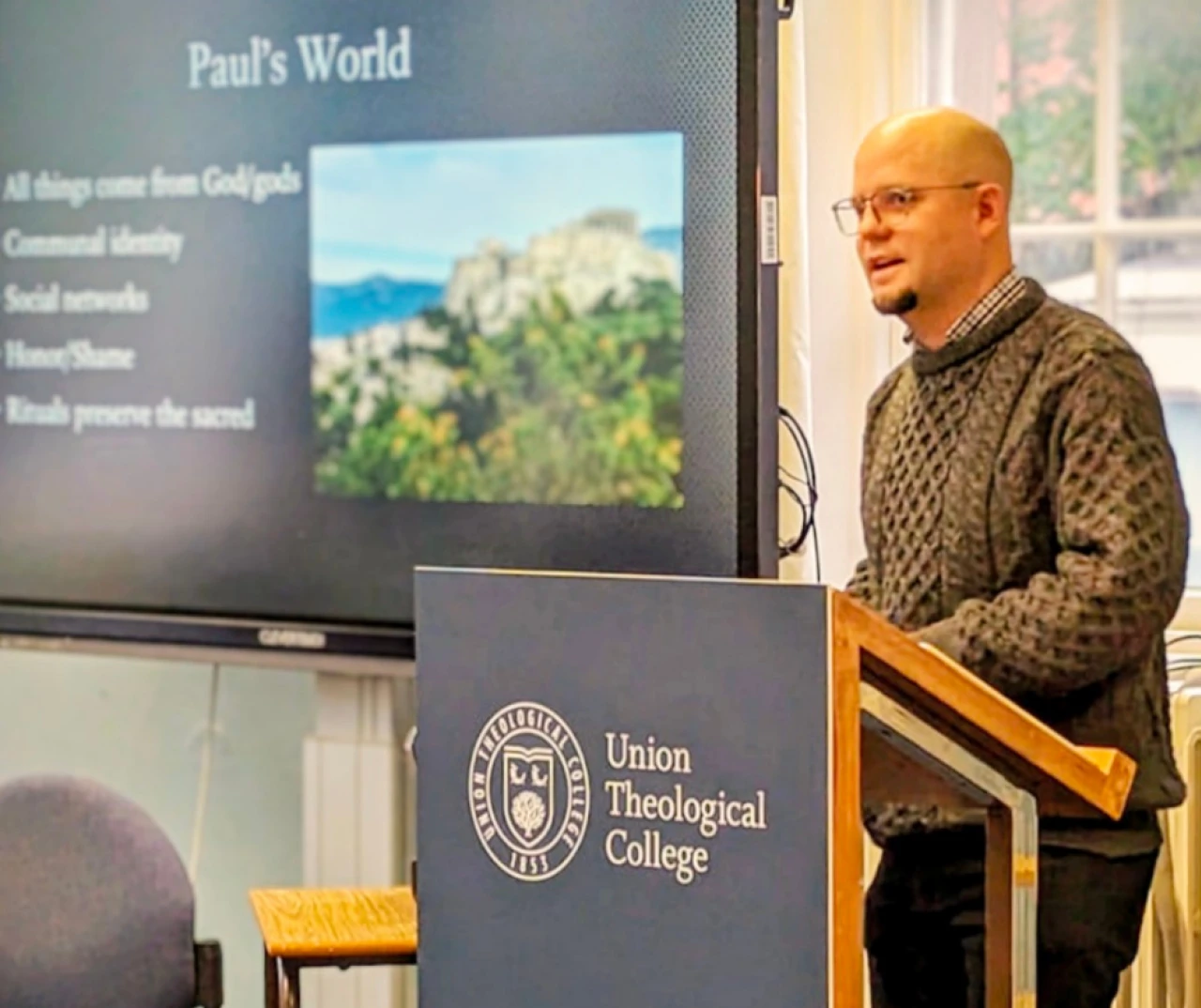
By engaging with his writings in this way, students will then be able to demonstrate an informed appreciation of Paul, both within his general historical setting and in specific first-century communicative contexts, while also understanding how contemporary interpreters approach his writings. They will then have a foundation to tackle the core elements of Paul’s theological message, particularly his vision for human transformation.
By combining historical awareness, critical interpretation, and thoughtful engagement with scholarly voices, students are equipped to read Paul responsibly and appreciate the enduring relevance of his letters in the modern world.