
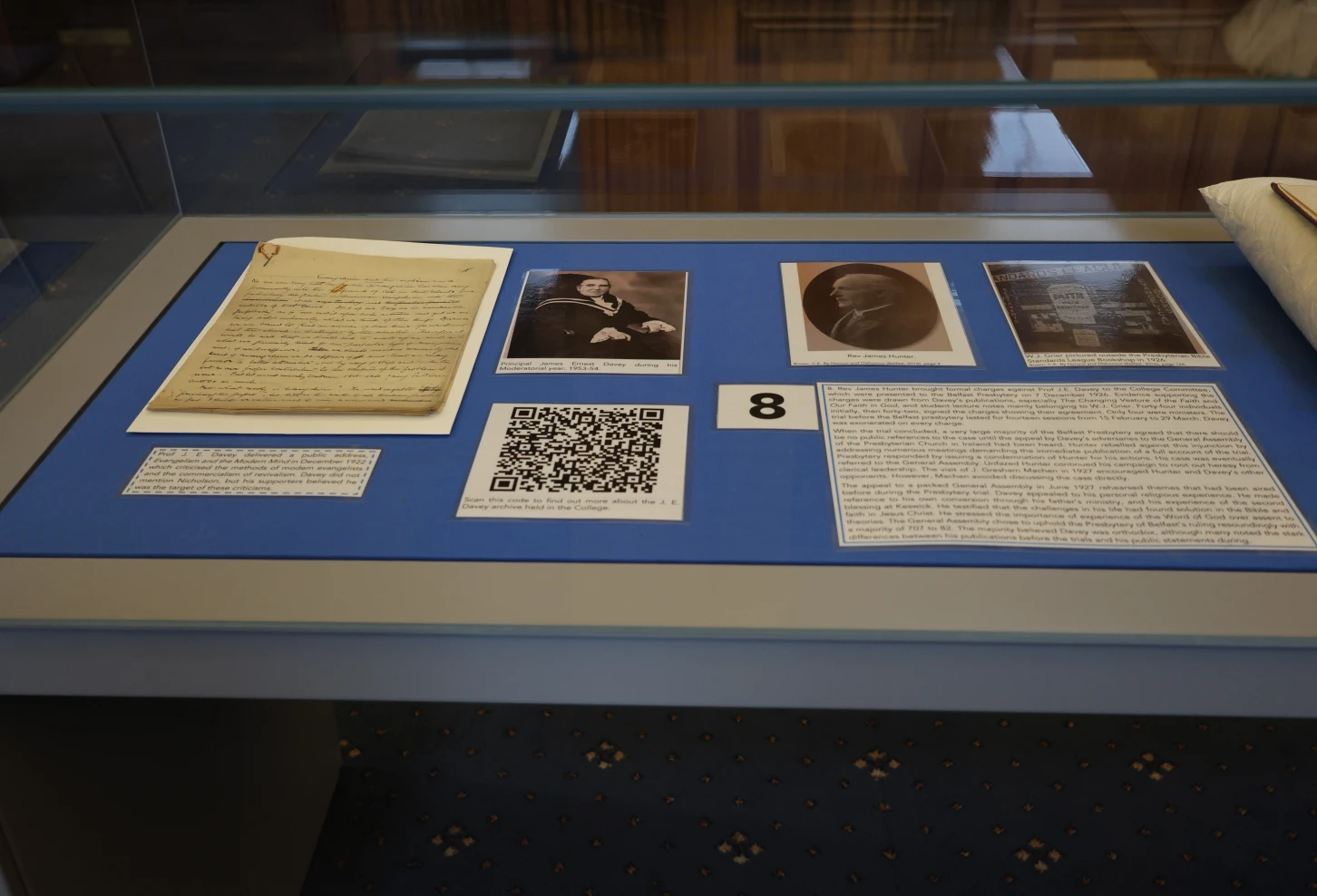
The 1920s were a pivotal decade for the island of Ireland and for the Presbyterian Church in Ireland. Irish Presbyterians were affected by changes which we might arrange in three overlapping areas: domestic and international politics and conflicts, socio-economic concerns, and religious developments. Each of these areas raises important questions about the historical nature, experience, and role of Presbyterianism on the island.
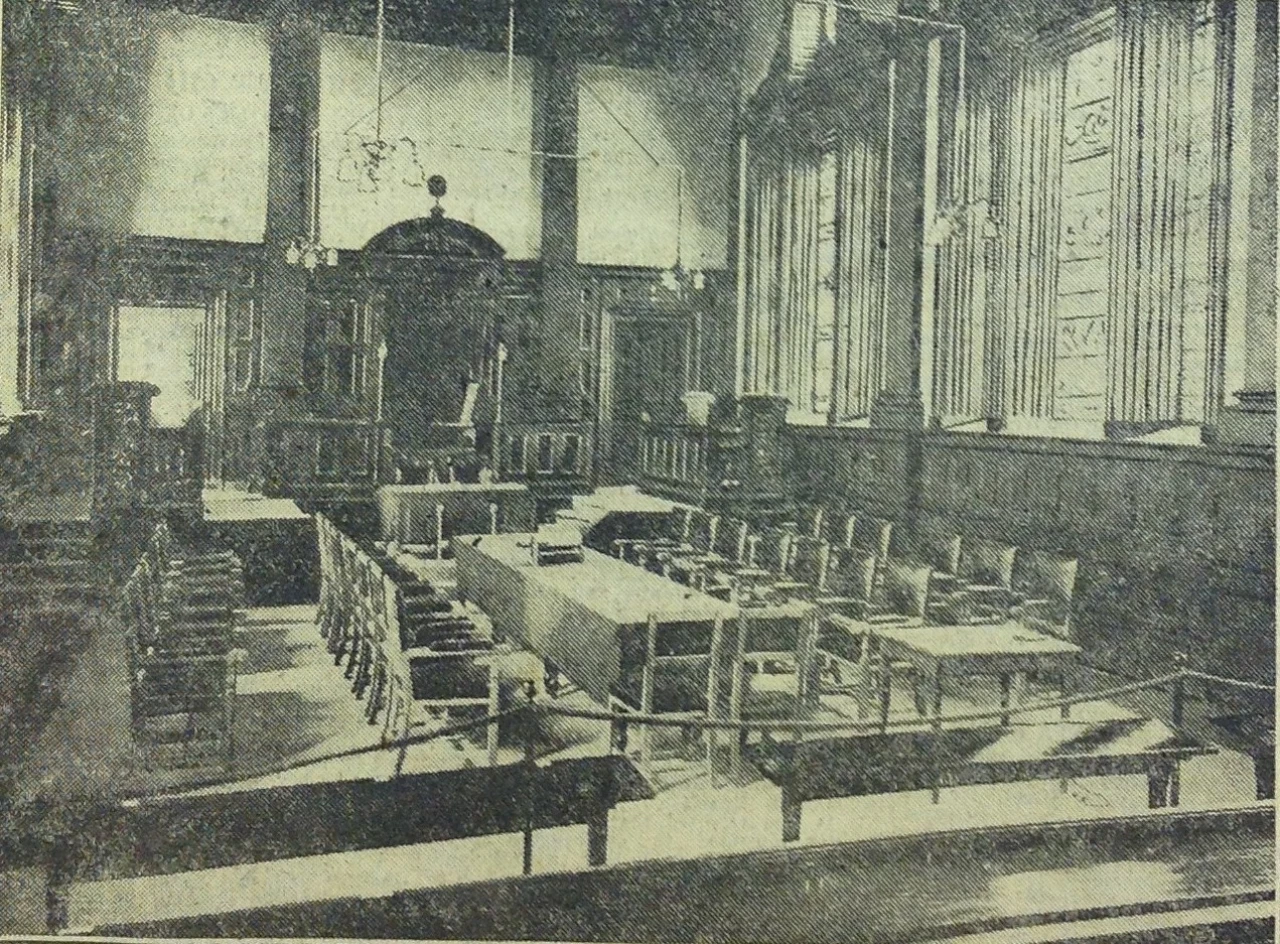
Originally published Wednesday 21 September 1921 in the Belfast Telegraph, the day the Parliament first met. The Senate Chamber was designated the 'The Former Chapel of the Assembly's College'
The decade was fraught with tension, violence, and political change. The Great War of 1914–1918 had cost over 30,000 Irish lives. With electoral success in 1918 owing much to the Easter Rising and Irish resistance to proposals for conscription, Sinn Féin declared independence from Britain and announced the First Dáil Éireann. This led to the Anglo-Irish War. The Government of Ireland Act (1920) and 1921 Anglo-Irish Treaty partitioned the island and seemingly settled the armed conflict with Britain. Violence continued in Ireland, however, with pro-Treaty forces winning an eleven-month civil war in May 1923.
Such upheaval altered the dynamics of political life on the island, including for the Presbyterian Church in Ireland. For the first time in the General Assembly’s eighty-year history, the church now operated across two separate political jurisdictions. The new situation presented a range of challenges. What was the role of the church in reconstructing post-war society? How was it to care for its members across the two states? How should the church operate south of the border as a tiny minority and north of it as part of the two-thirds Protestant majority?
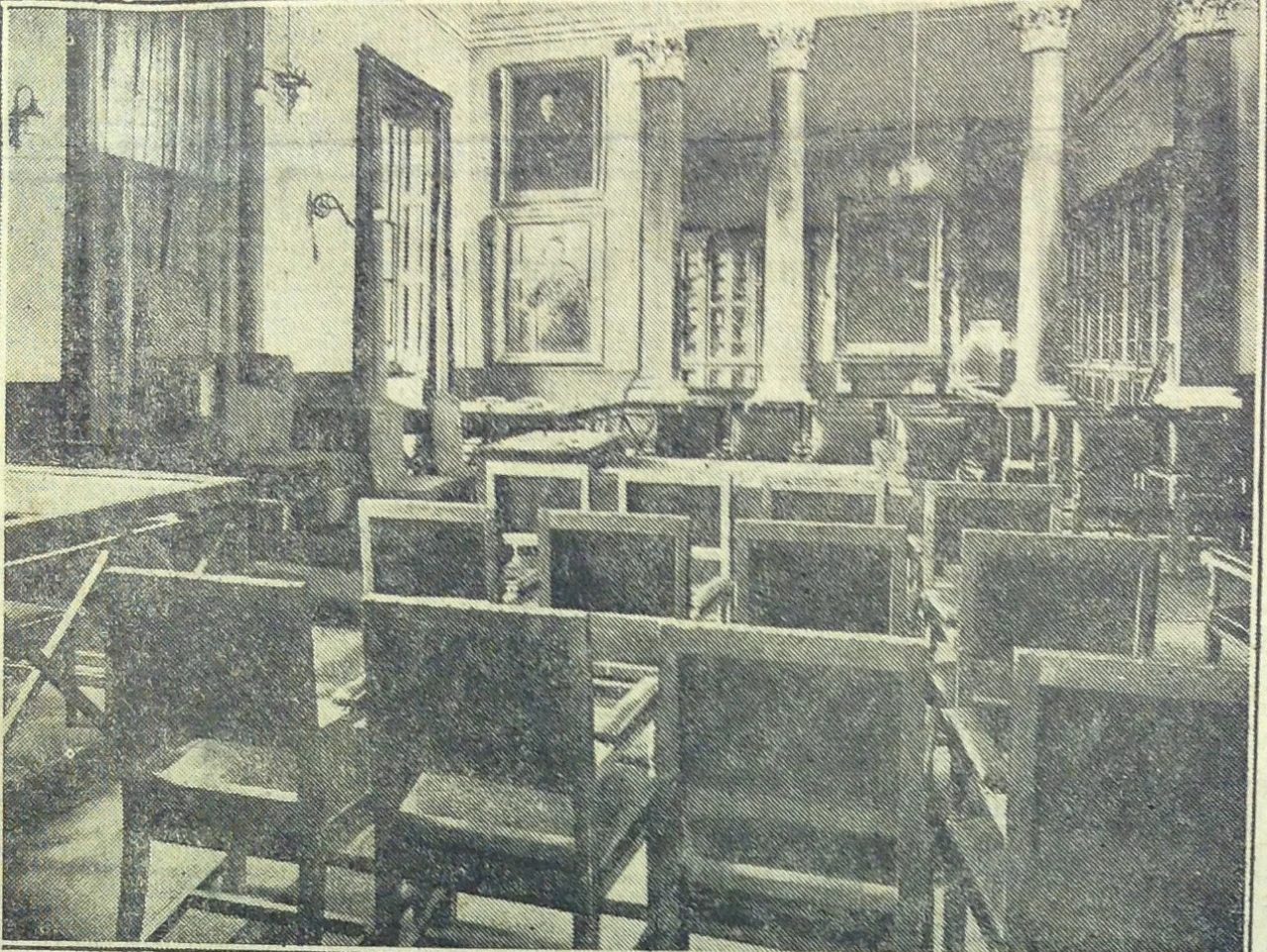
Also published in the Belfast Telegraph on Wednesday 21 September 1921 - Ulster's House of Commons, recognisable to us today as The Gamble Library
Socio-economic developments, linked to the political, also challenged the Presbyterian Church. When compared with the rest of the United Kingdom in the 1920s, Northern Ireland was significantly worse off in economic terms. High unemployment and poorly-funded relief measures contributed to the eventual outbreak of rioting in 1932. Long-standing areas of moral concern continued to exercise ministers, especially that of alcohol consumption. Newer threats to perceived standards of morality also developed, such as the increasingly popular cinema. The question of arranging education provision, especially in the new northern state, formed another area of contention, especially between Protestant and Catholic church leaders. Amid these challenges, how did the Presbyterian Church respond? Why did it respond in particular ways, and what do those responses tell us about the nature and place of Presbyterianism in early twentieth-century Ireland? To what extent did the border question impact the denomination’s engagement with these issues?
Alongside political and socio-economic changes, the 1920s brought important changes within Christianity. These were the continuing outworking of developments traceable back through the eighteenth and nineteenth centuries. The rise of so-called modernist approaches to theology and the Bible, together with the complex evangelical movement, had led to disputes between Christians in the United States of America, Britain, and Ireland. Conservative evangelicalism and fundamentalism were gaining strength, especially in America. Irish Presbyterianism was not exempt from the theological tensions between these movements. Northern Ireland itself experienced evangelical revivalism in the 1920s, most often attributed to William Patteson Nicholson, and Presbyterian leaders engaged with modernist theology. In 1926, two theological professors of the Presbyterian Church in Ireland, James Haire and J. Ernest Davey, were accused of heresy.
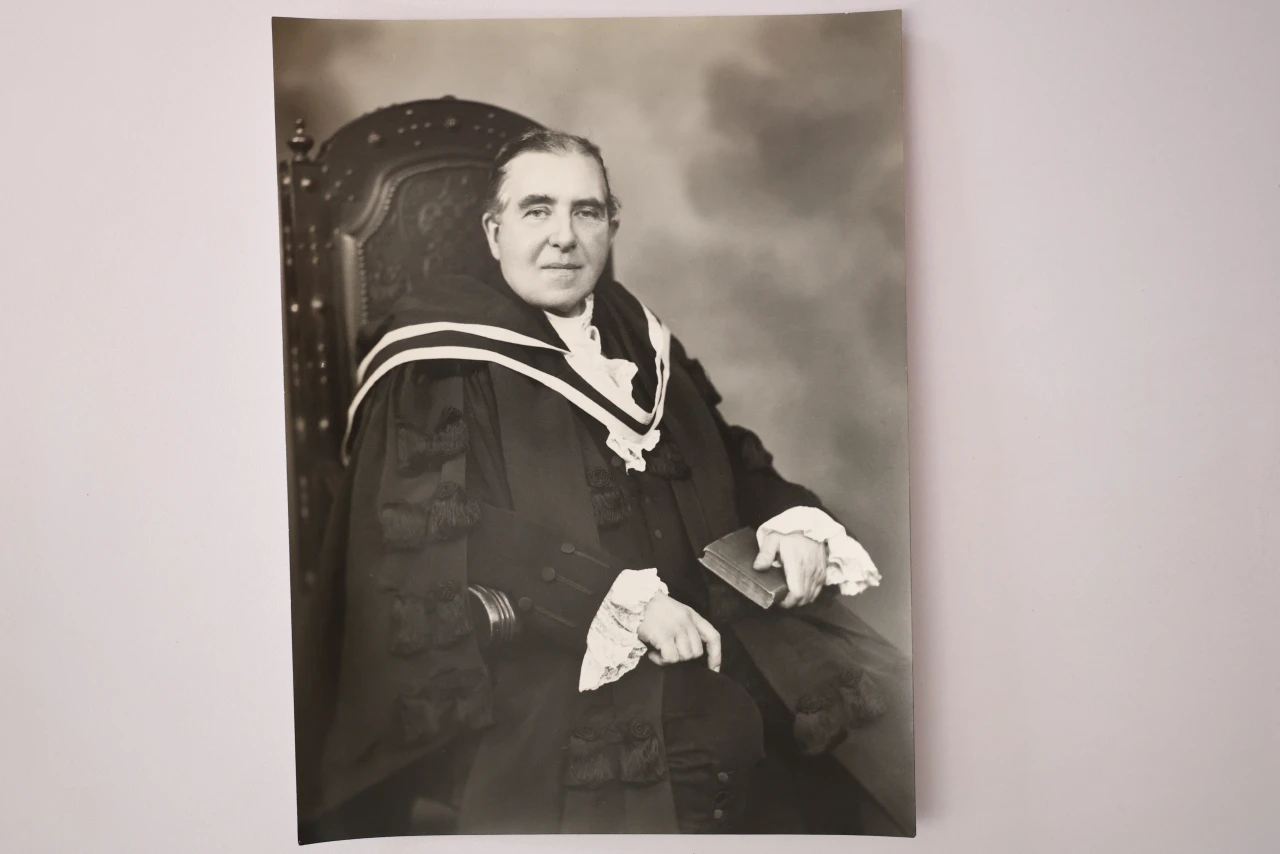
These religious matters raise questions about Irish Presbyterian theology and practice in the 1920s. What was the theological state of the Presbyterian Church in Ireland? Did it change over time? Why did it develop as it did? How far had it been influenced by theological developments elsewhere and to what extent was it distinctive from other denominations?
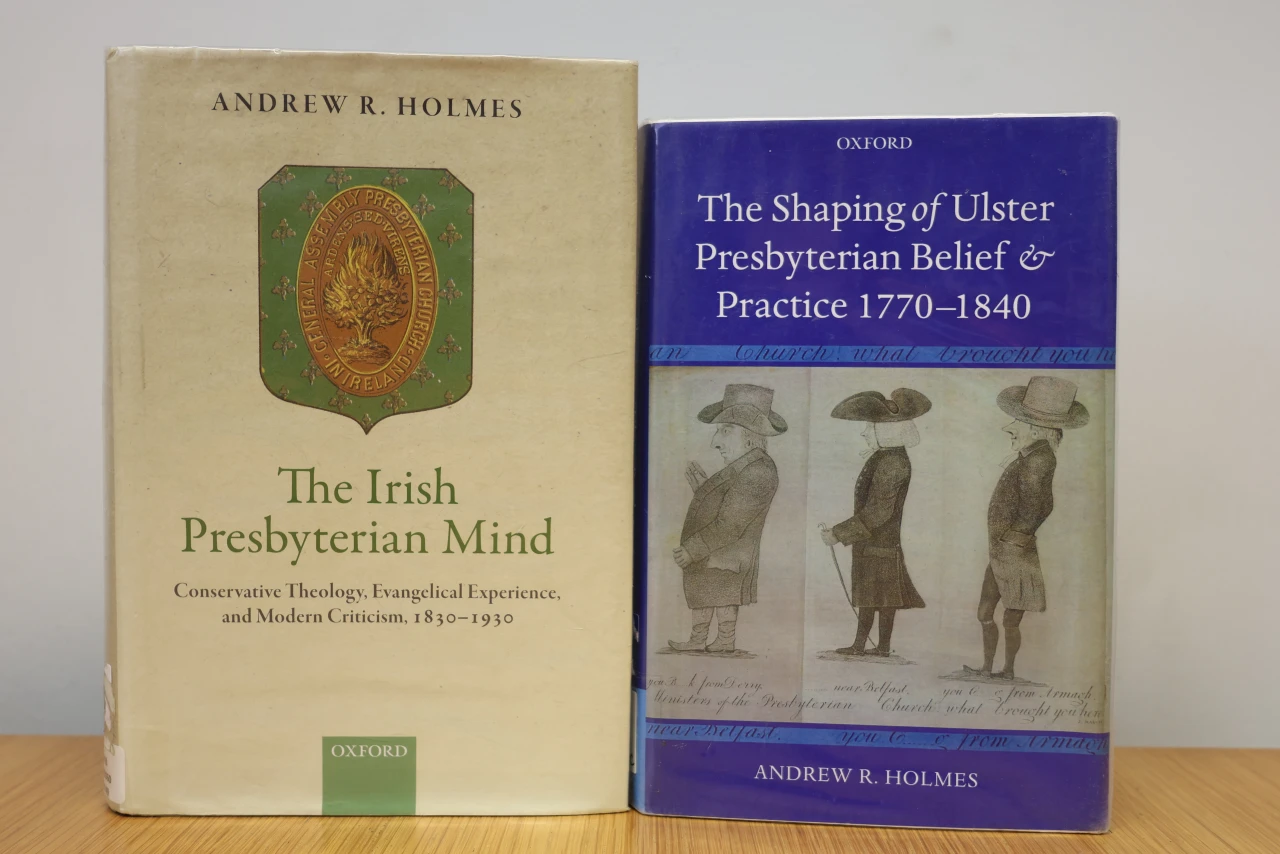
In light of these questions and to help reflection on the experiences of the Presbyterian Church in Ireland in the tumultuous 1920s, Union Theological College is hosting a public lecture on Friday, 4 September, 2026, at 7:00pm. Andrew Holmes, Professor of Modern History and Head of History at Queen’s University Belfast, will speak on ‘Controversy, Change, Continuity: Irish Presbyterianism in the 1920s.’ Professor Holmes is a world-leading expert in the history of Irish Presbyterianism in the nineteenth and early twentieth centuries, whose extensive list of publications (including two ground-breaking books) has done much to bring scholarly attention to the complexity of Christianity in Ireland.